General William Burnett
The man who inspired Scolty Tower
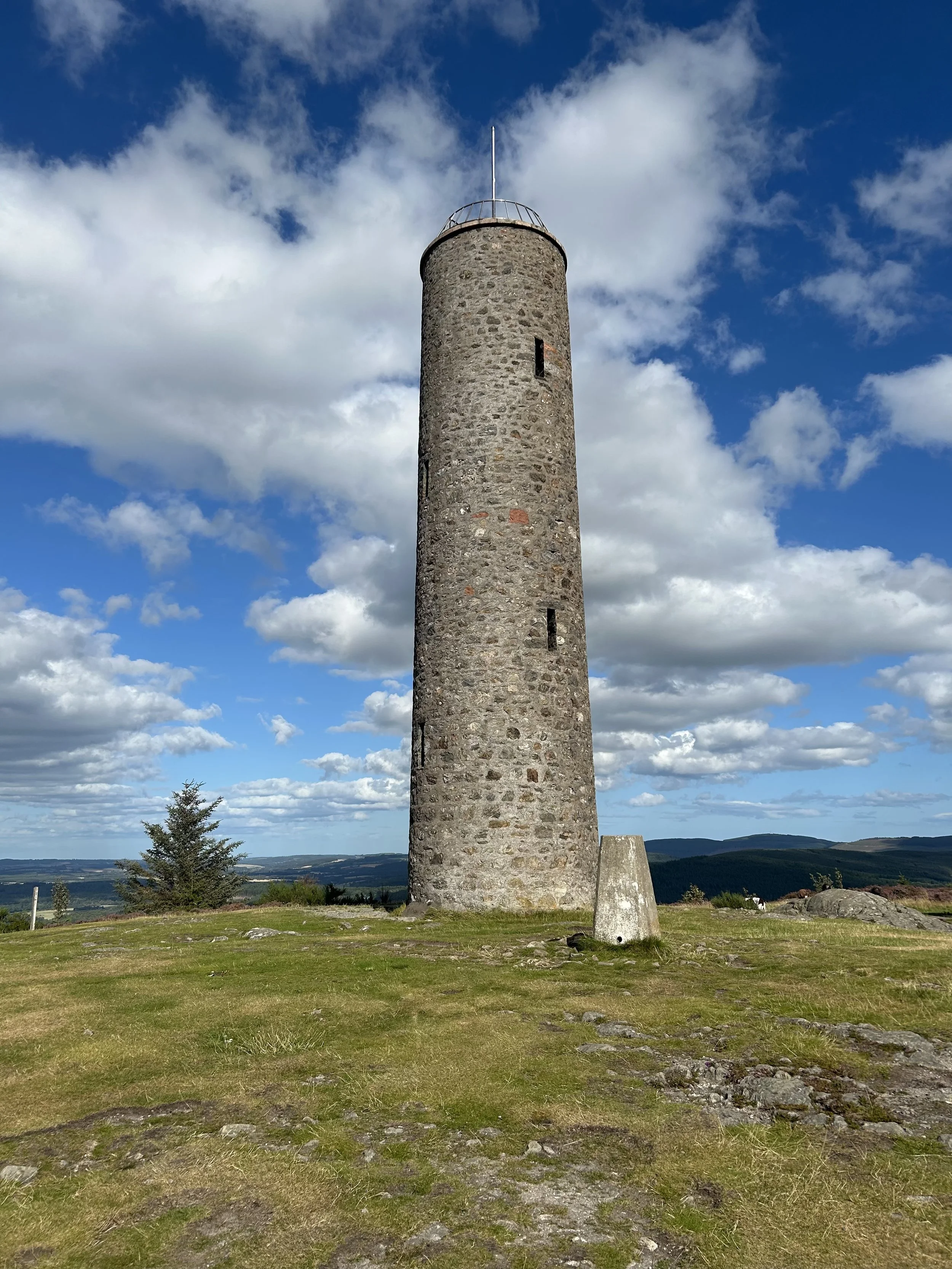
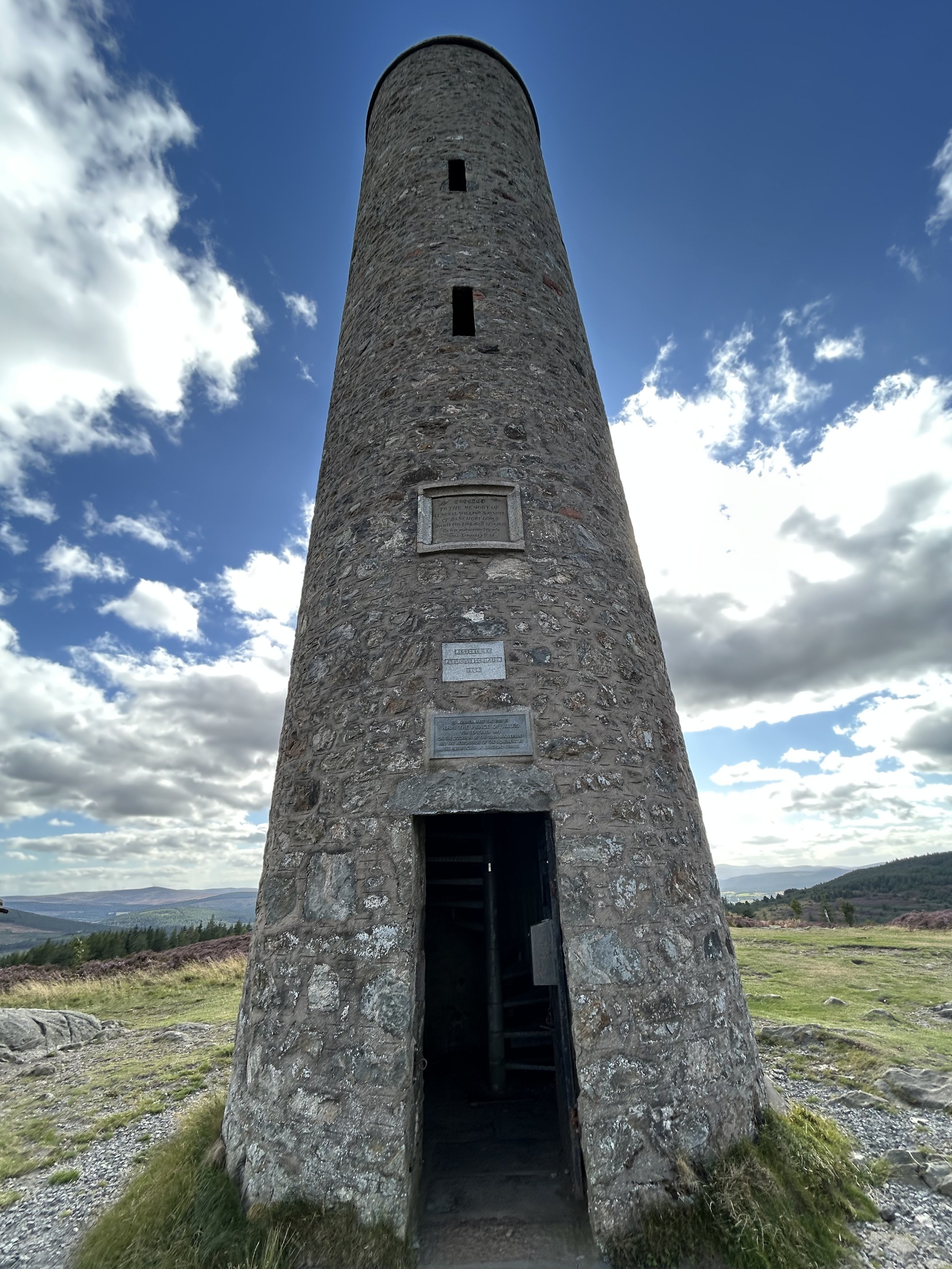
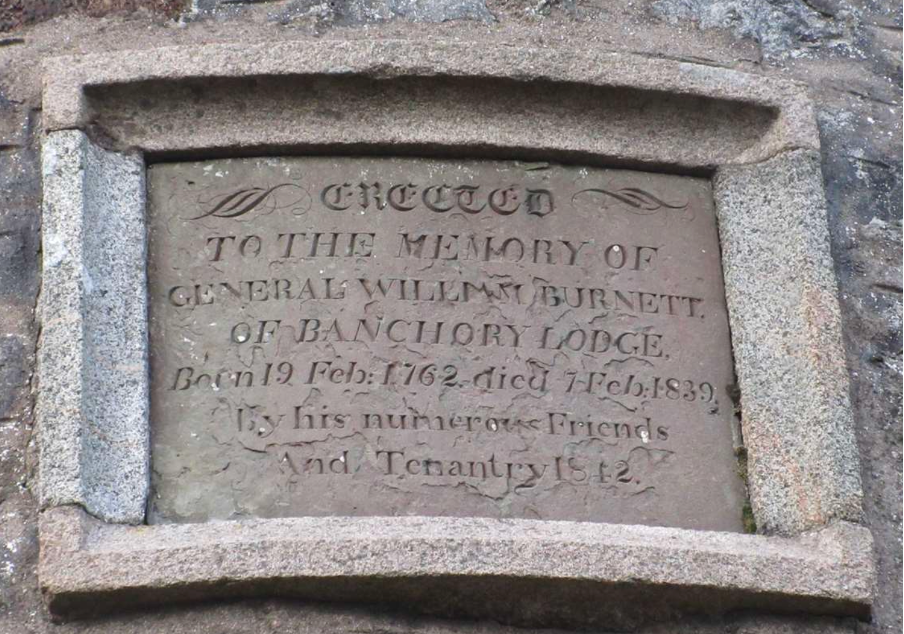
Scolty Tower was built in 1842 in memorial of General William Burnett, a local landowner, by his many friends and tenants.
“A public-spirited gentleman and kind landlord whose memory will be long and gratefully cherished in this neighbourhood.”

Donate to Scolty Tower

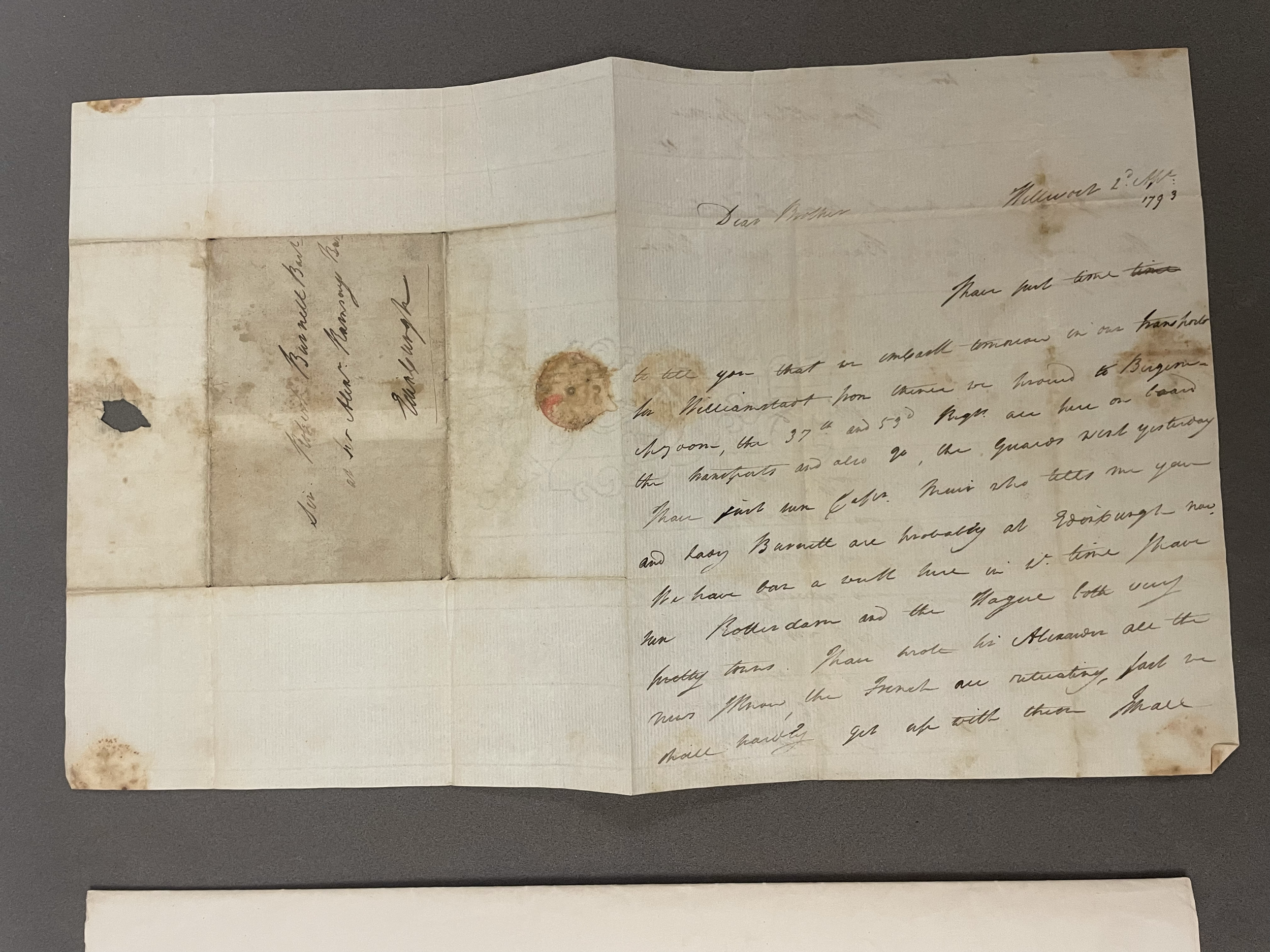
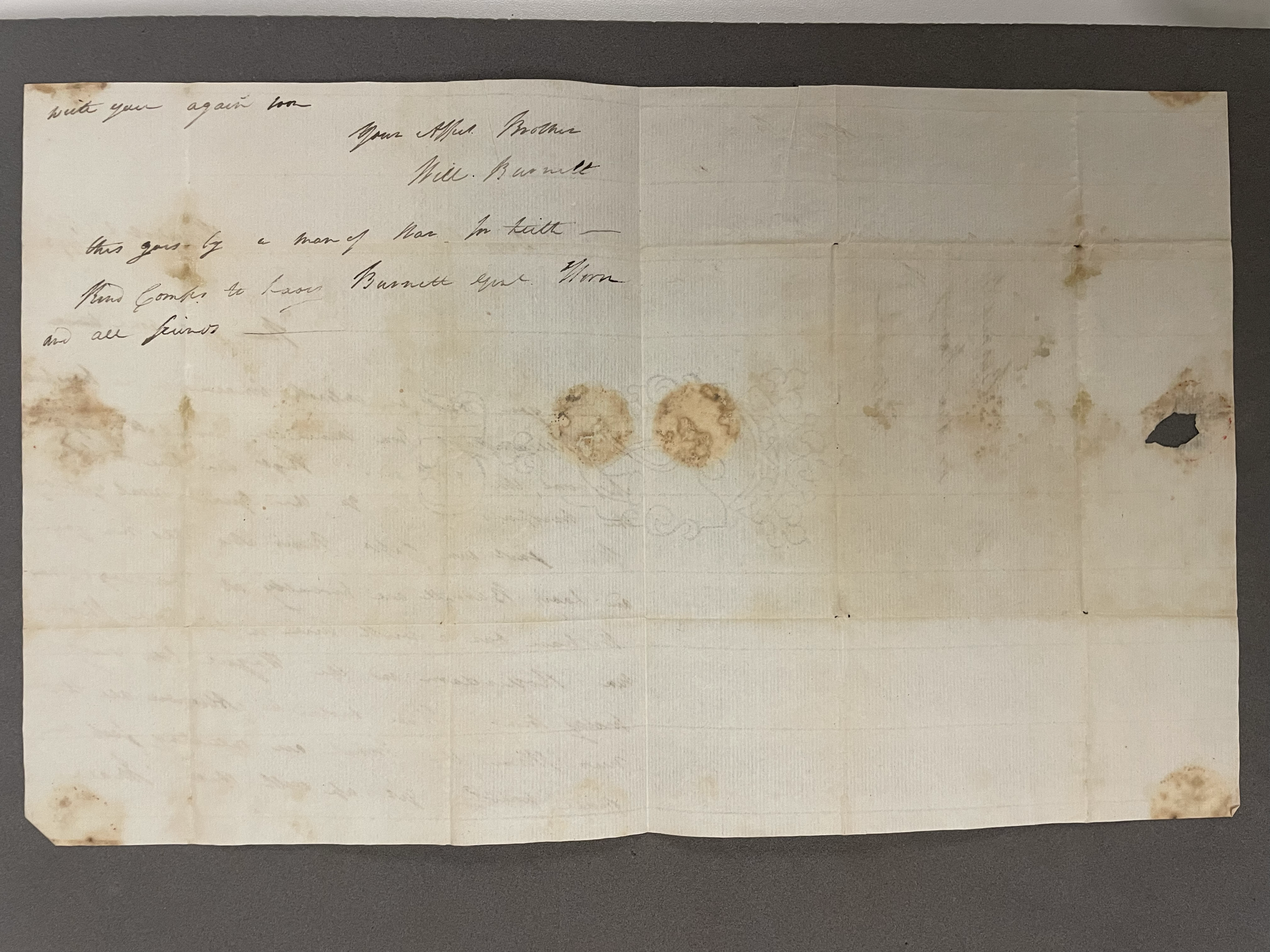
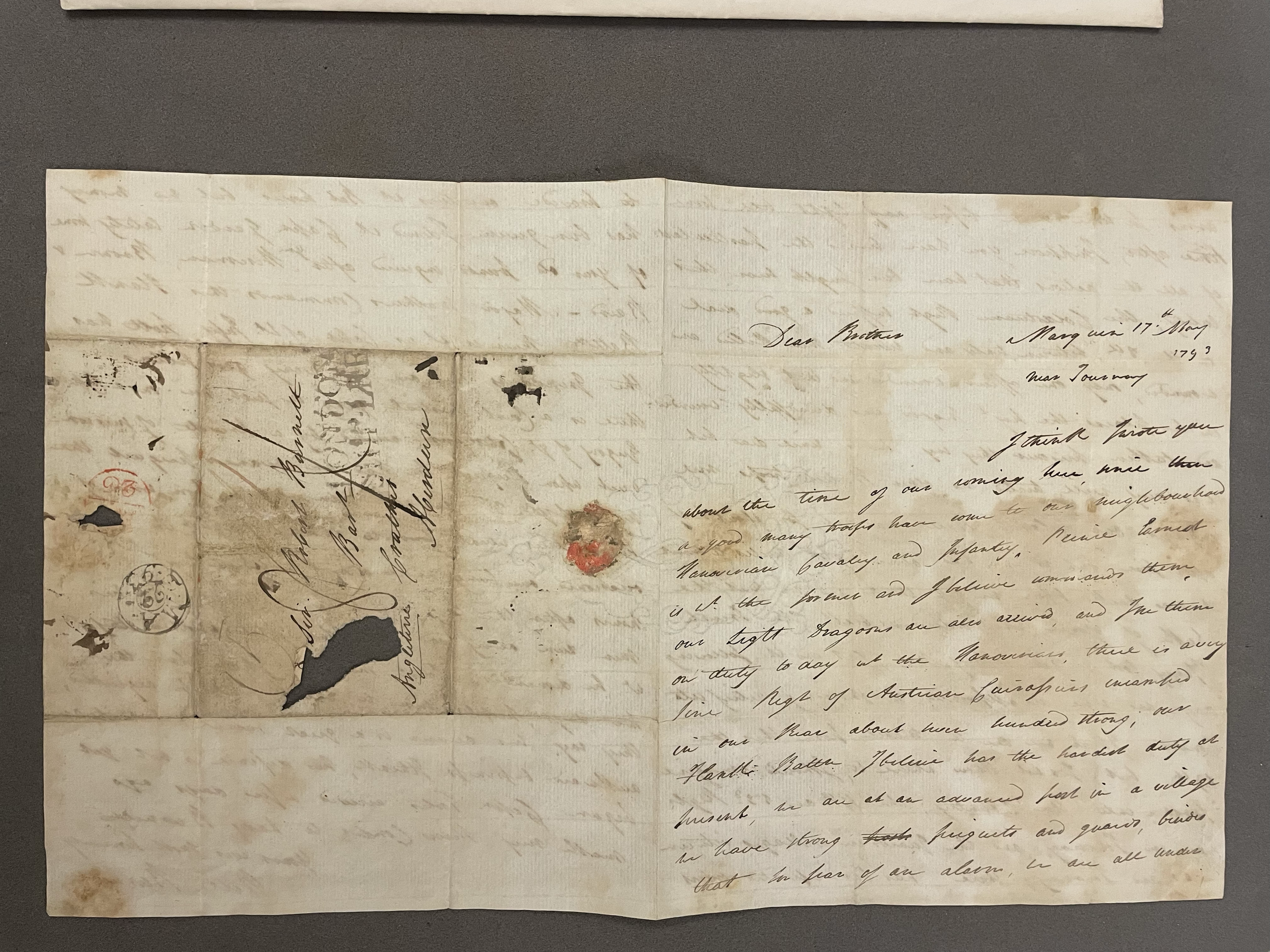
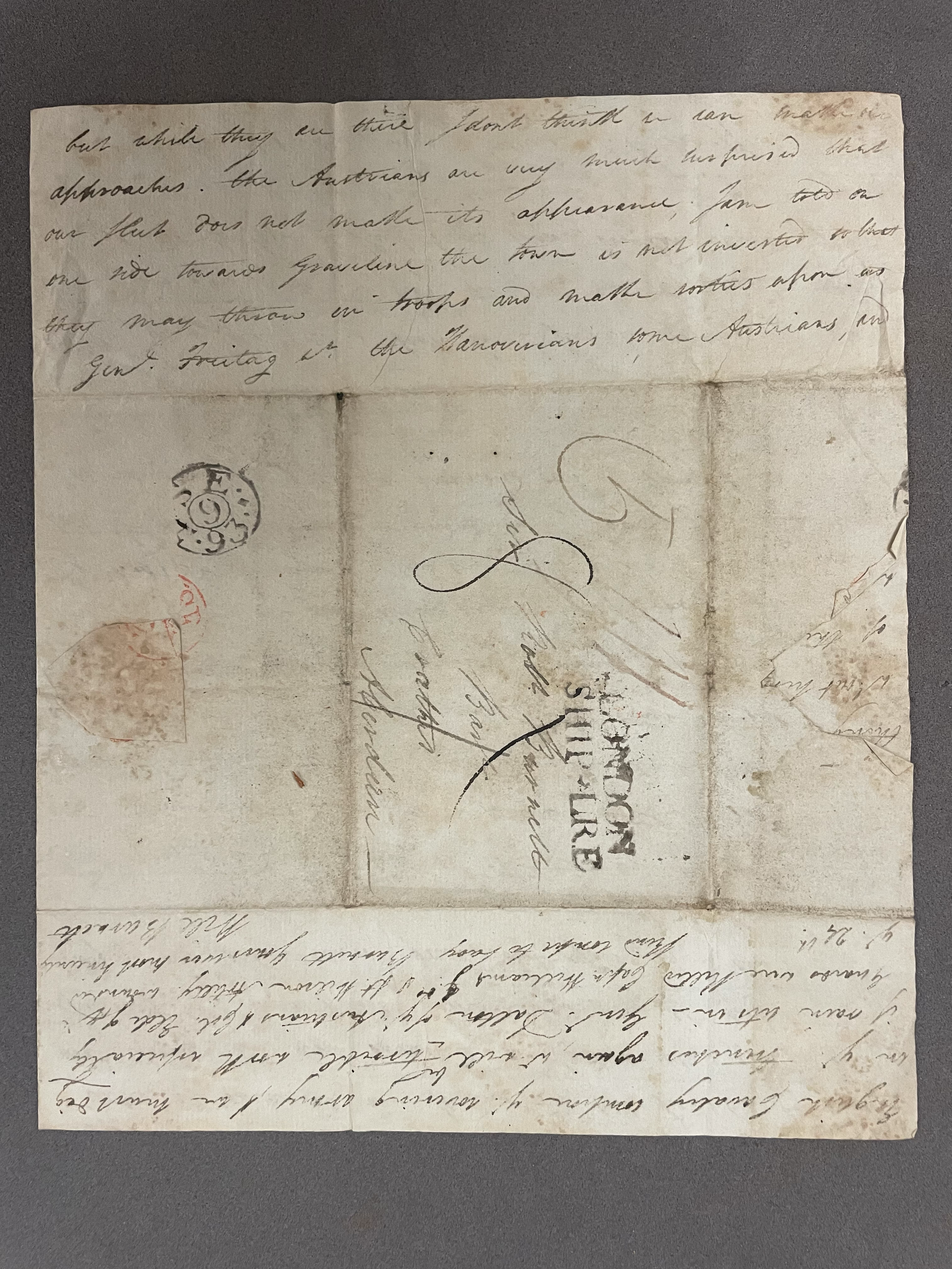
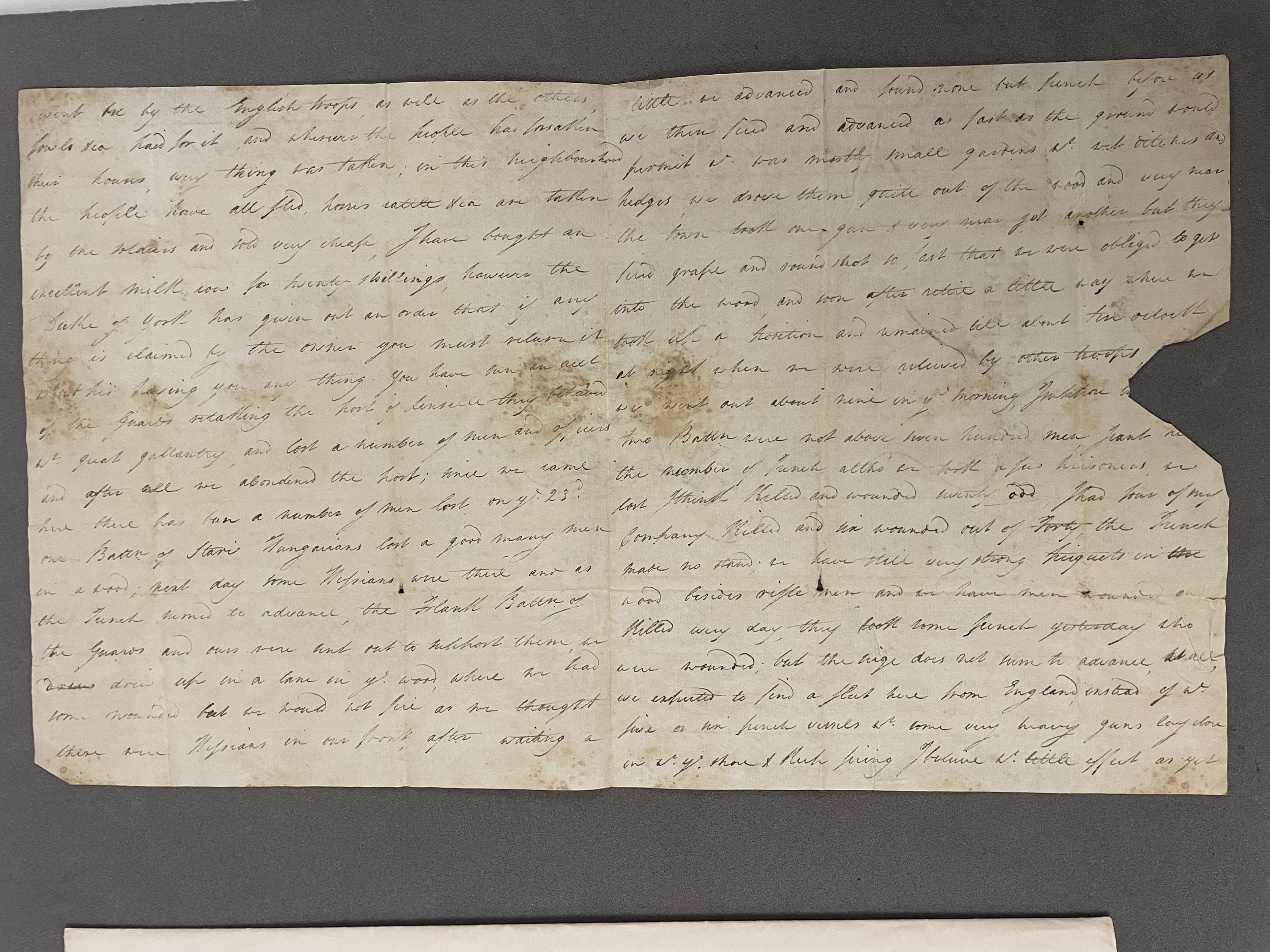
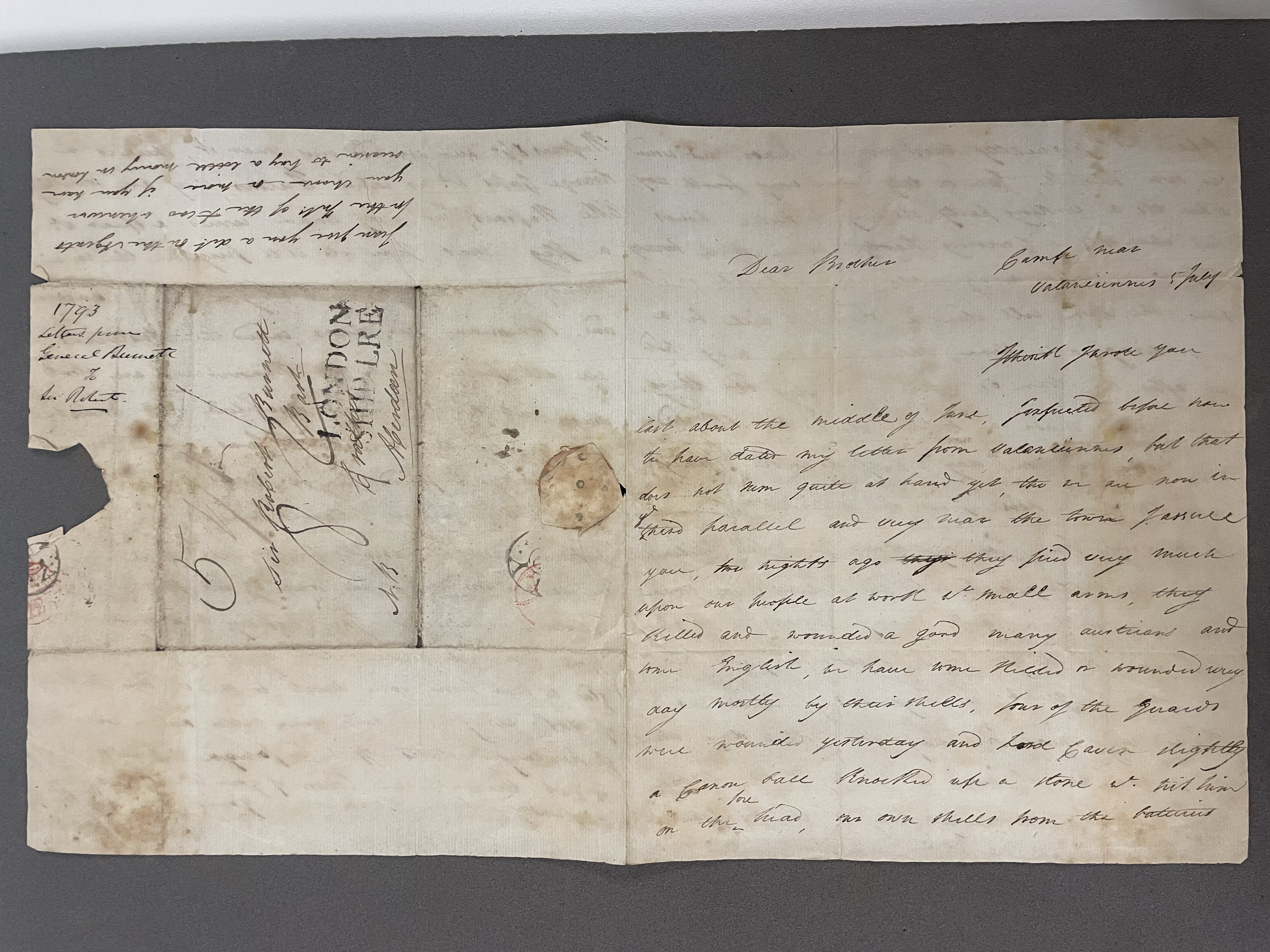
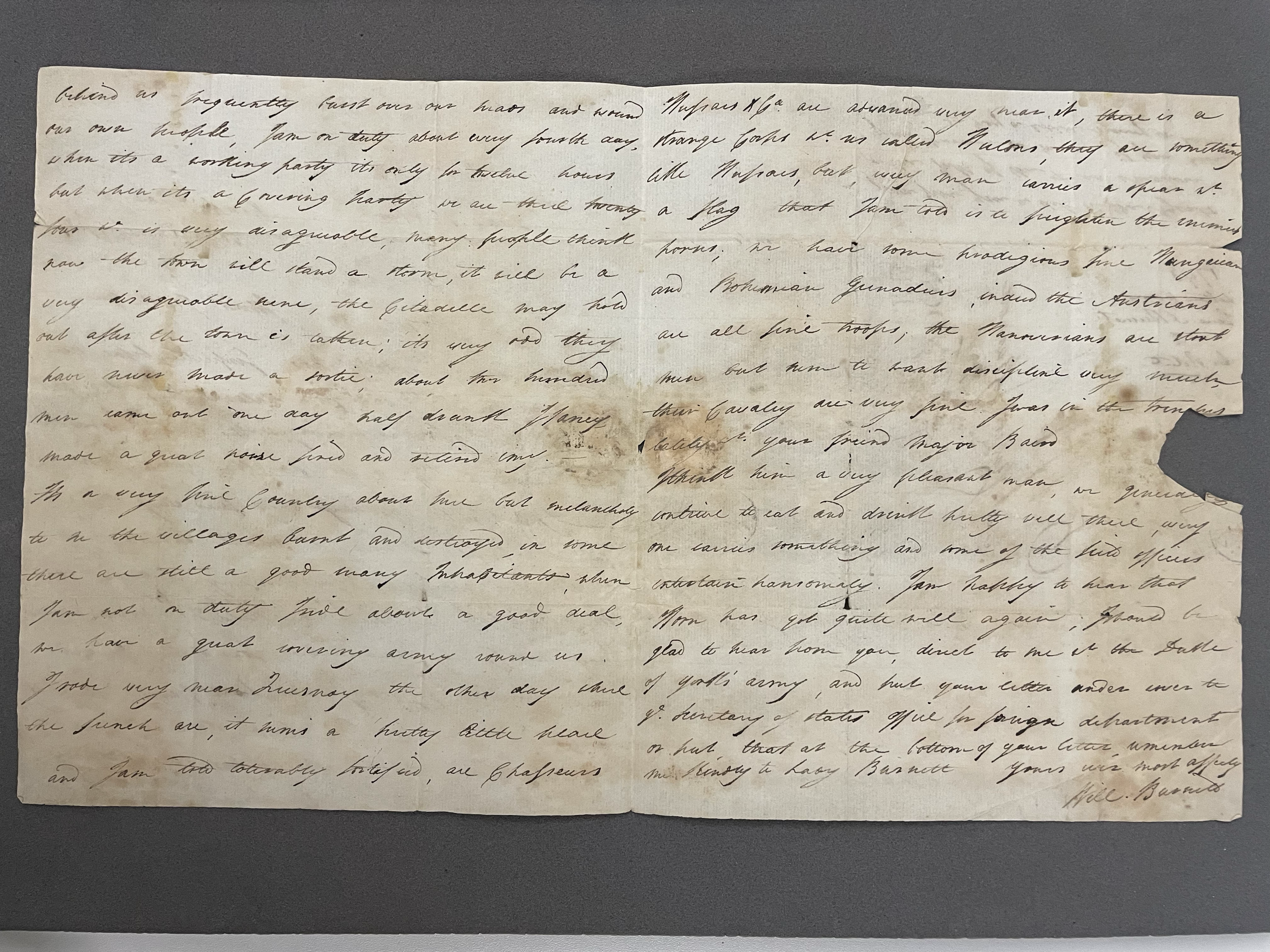
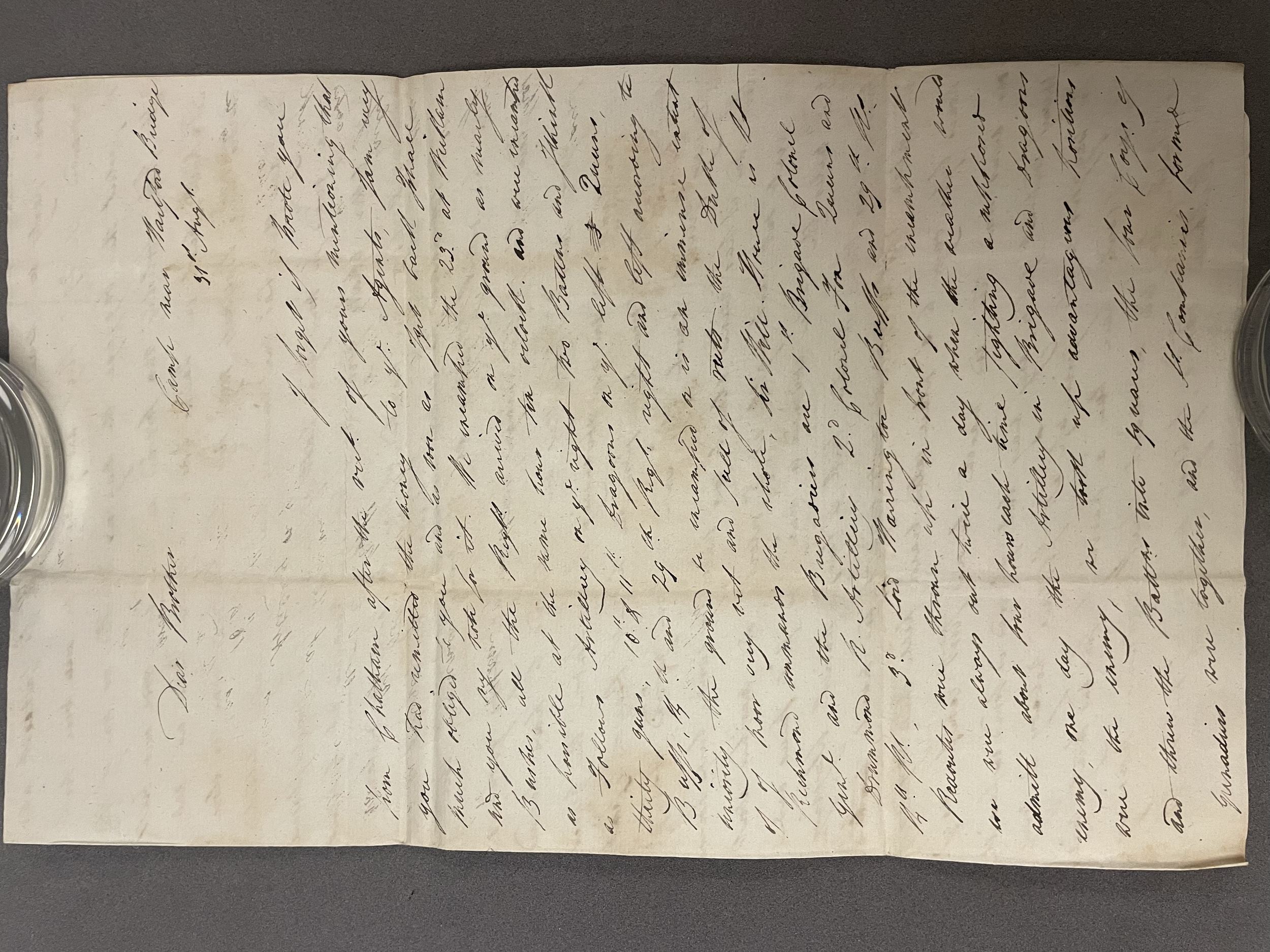
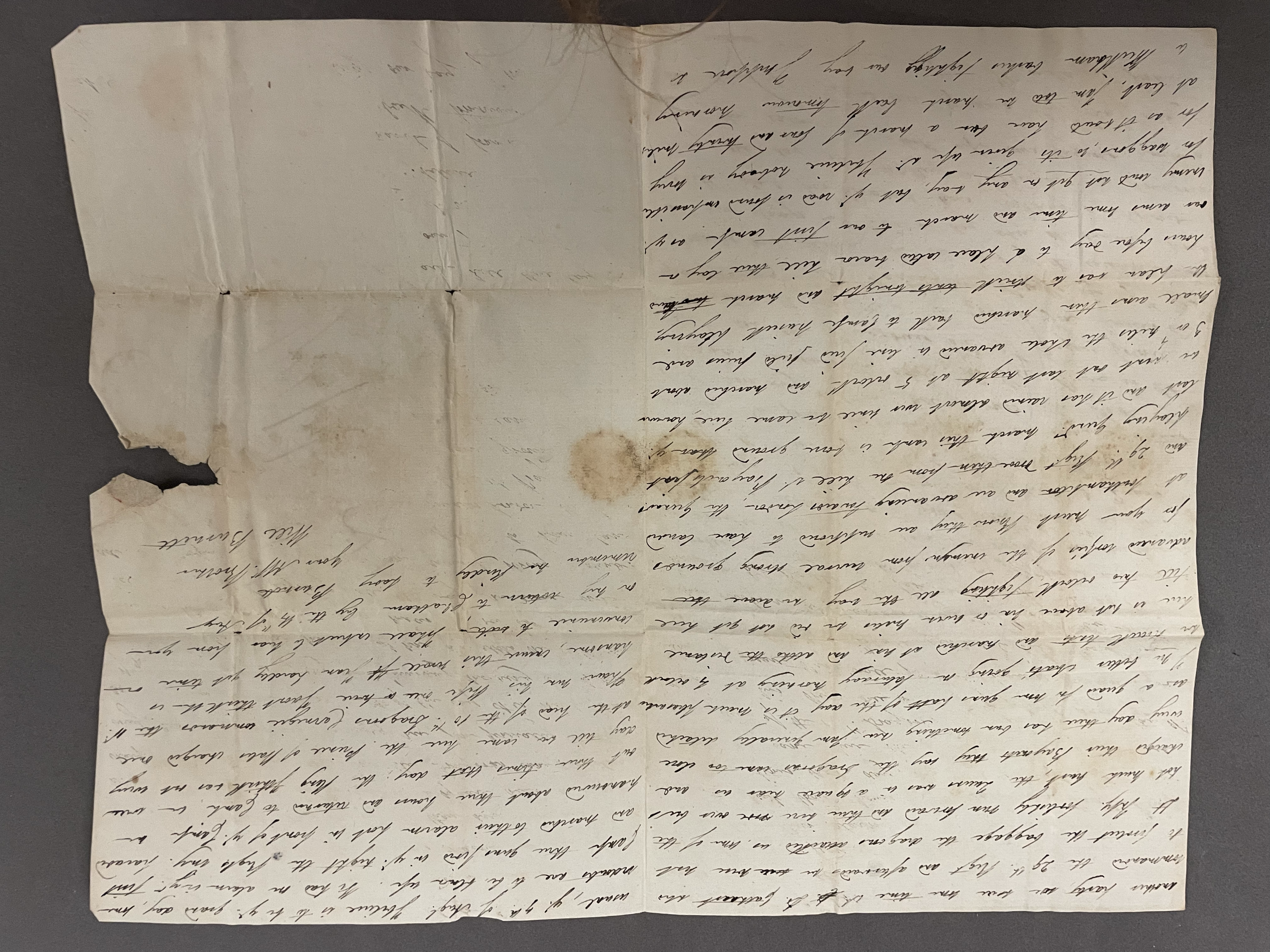
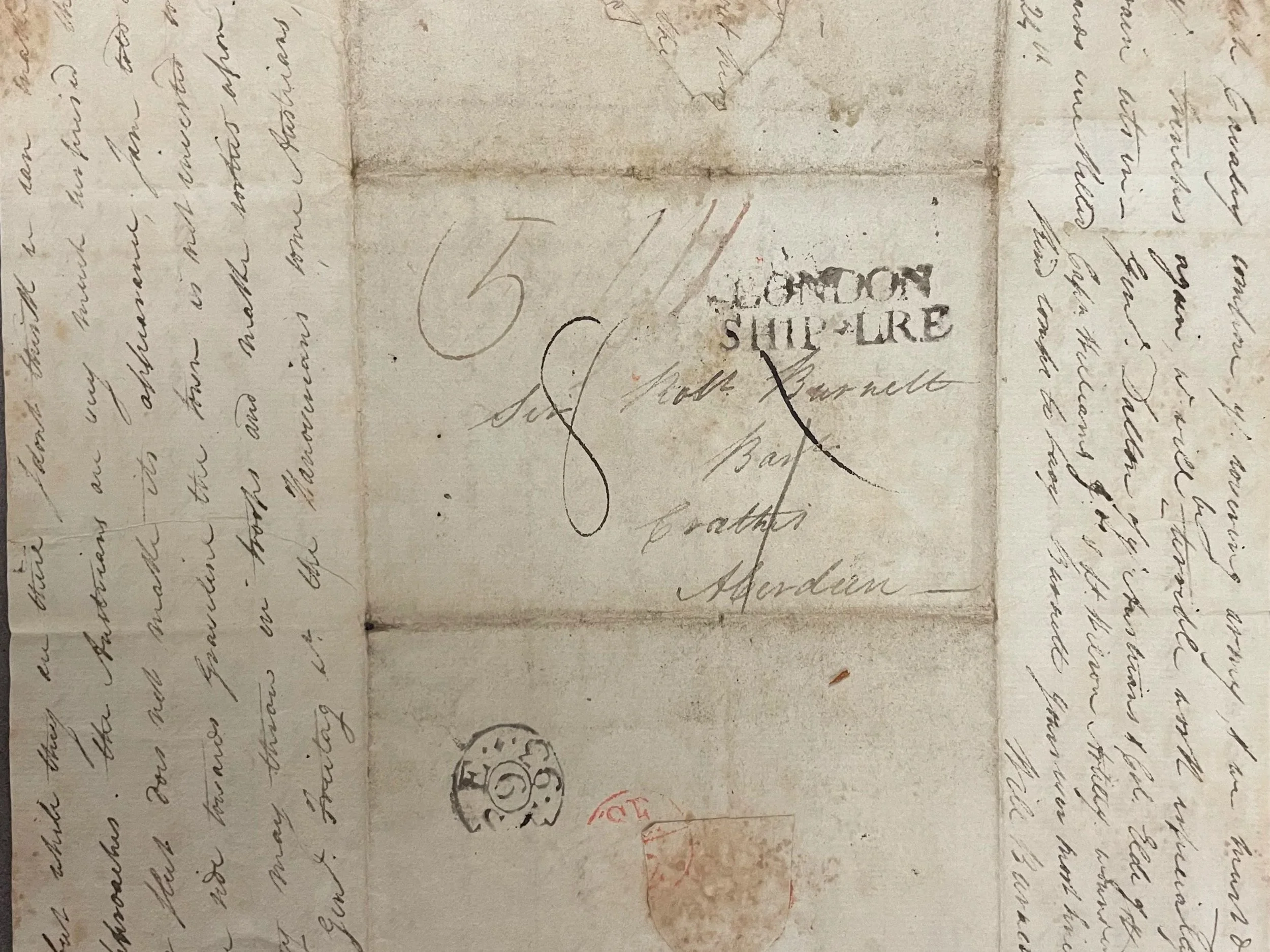
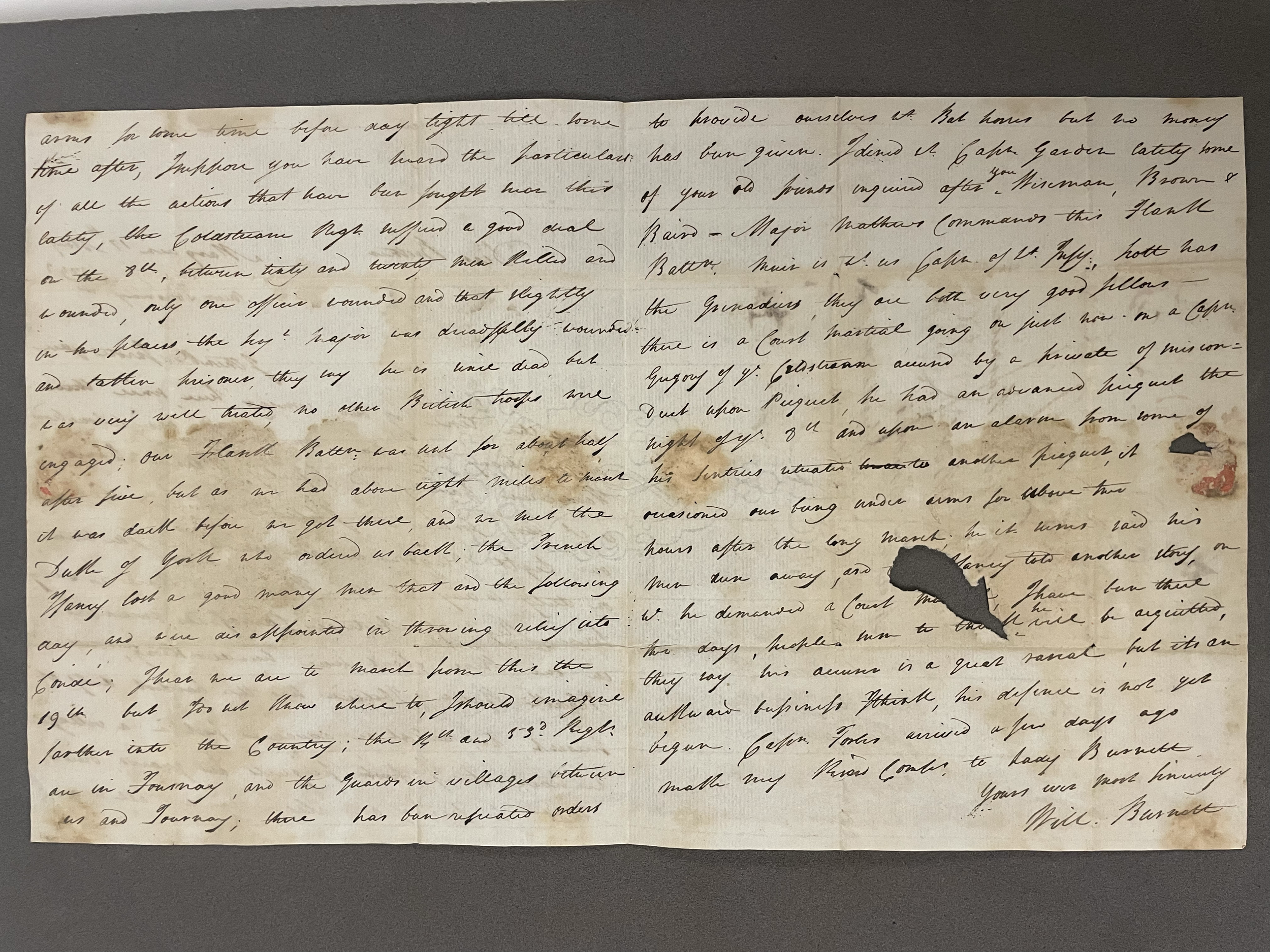
Read General Burnett’s Original Letters
Early Life and Family Background
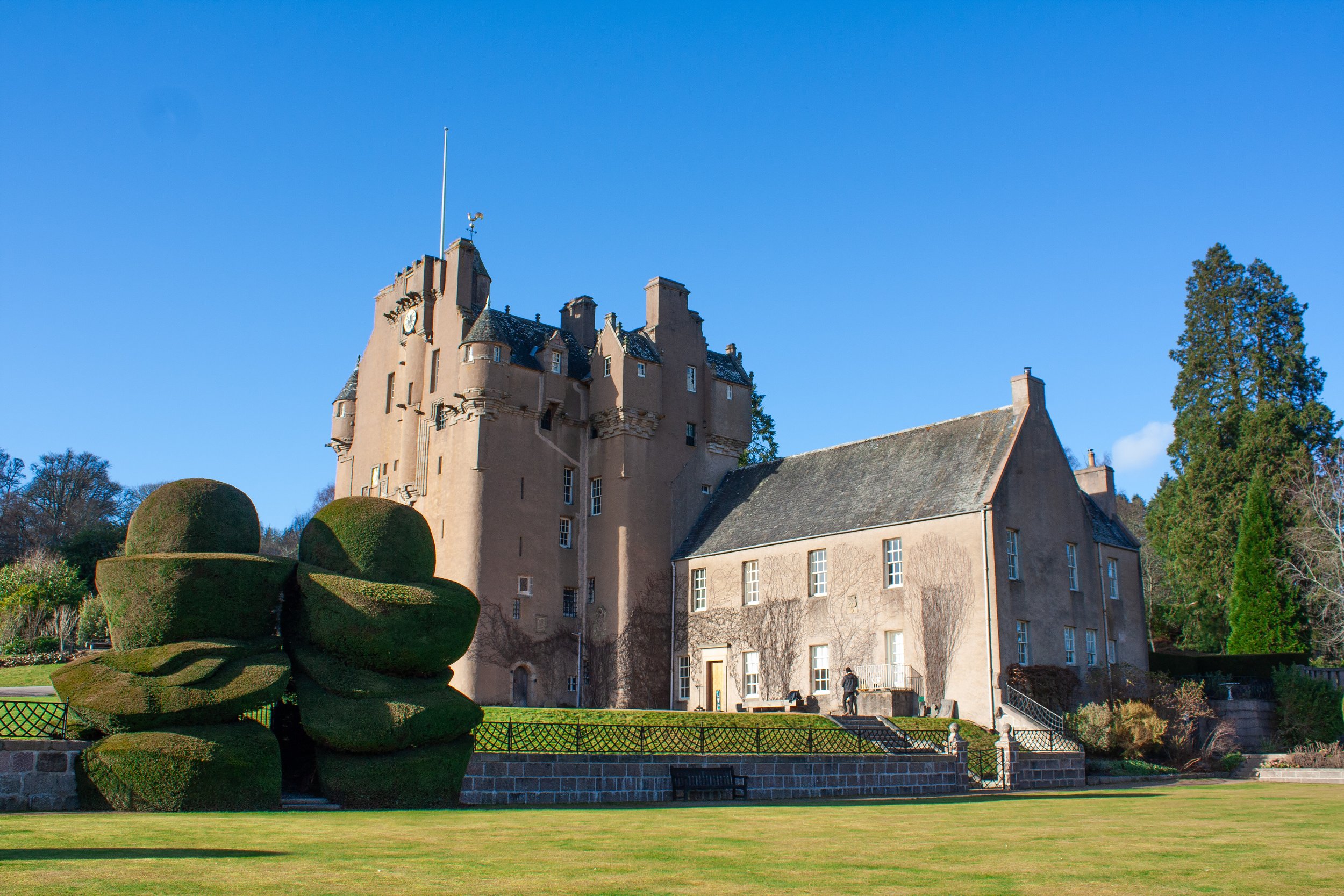
General Burnett was born in 1762, the youngest son of five children of Katherine Ramsay and Sir Thomas Burnett, 6th Baronet of Leys, of Crathes Castle. His brother, Sir Robert Burnett, inherited the title, as the 7th Baronet of Leys.
Military Career
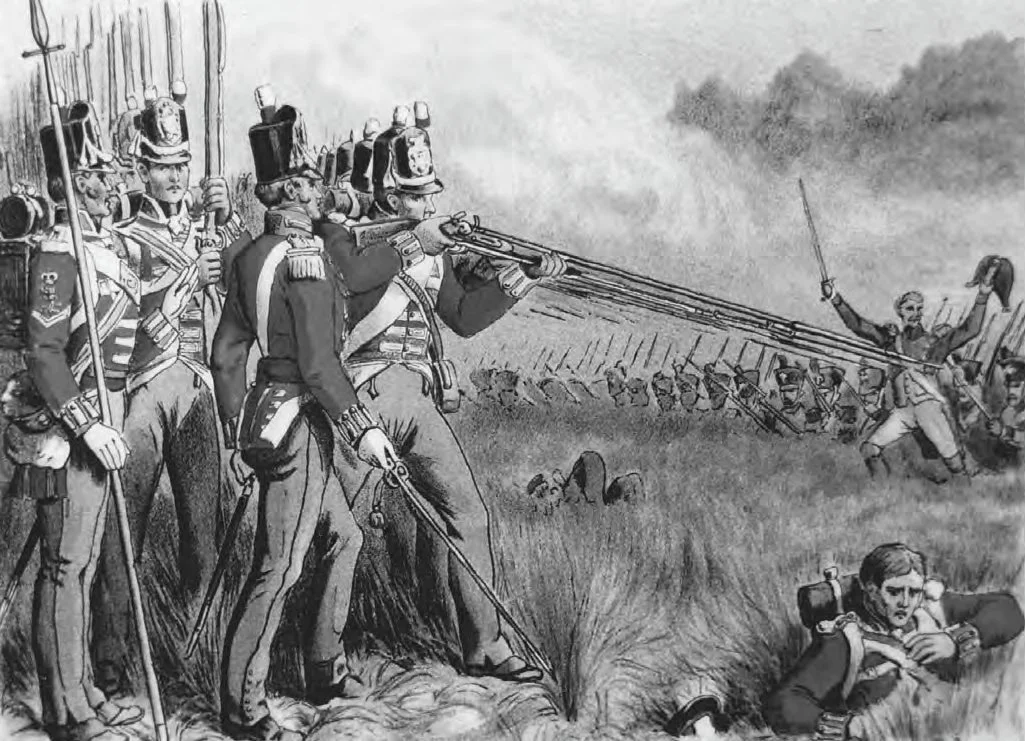
He joined the army in 1784 with a commission in the 14th Regiment and went on to serve in the 1793 campaign in Flanders under the Duke of York. By January 1796 he had been promoted to Lieutenant-Colonel, and in April 1797 he led the regiment during the British attack on Porto Rico under Sir Ralph Abercromby.
His military career advanced steadily over the years. In 1803 he was promoted to Colonel and appointed Aide-de-Camp to King George III. During this time he saved the King’s life, through his vigilance during an assassination attempt in Drury Lane Theatre. He became a Major-General in 1810 and a Lieutenant-General in 1814, before ultimately achieving the rank of full General.
Life in Deeside
General Burnett acquired the estate of Arbeadie, on the north side of the River Dee, from his brother Sir Robert Burnett. He later added part of the Blackhall Estate and extensive land in the Feugh Valley, including Scolty Hill and the entire parish of Strachan, through a transaction with his sister-in-law Elizabeth Bannerman. Together, these holdings formed what became known as the Banchory Lodge Estate.
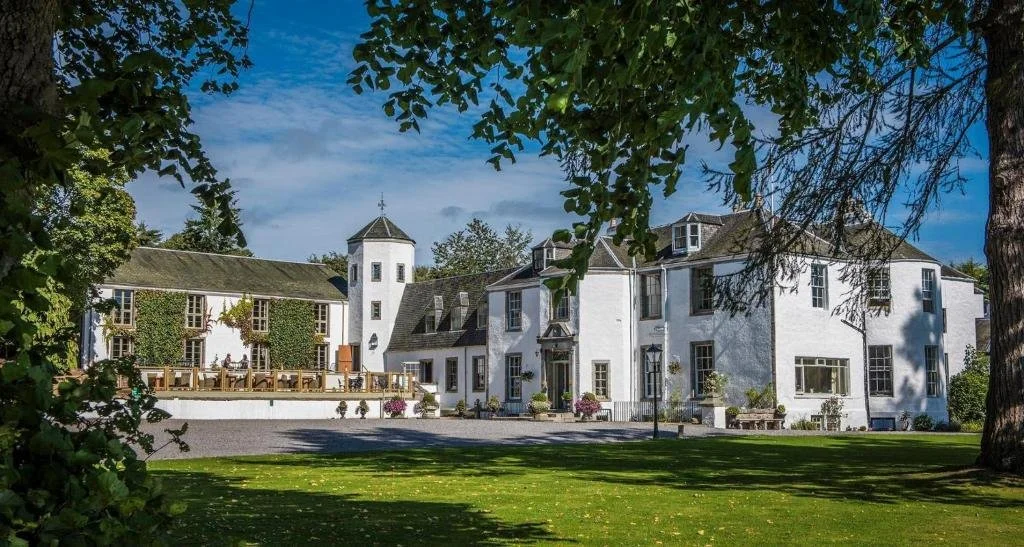
In the early 1800s he transformed the old Coble Heugh Inn into a new mansion house renamed Banchory Lodge. The modest inn was rebuilt in the elegant style of the period, and Burnett laid out extensive landscaped grounds around it, sweeping away all trace of the old Deeside road. The Agricultural Survey of Kincardineshire (1807) described Banchory Lodge as “a plain unadorned modern house, close upon the Dee, in a pleasant situation,” and noted that Colonel Burnett was making considerable improvements to the surrounding land. He developed a fine personal library and took a strong interest in advancing local agriculture.
Long-serving staff recalled the many distinguished military friends who visited him. One particularly memorable occasion was a visit from the 10th Marquis of Huntly, who arrived from Aboyne Castle in a coach drawn by four horses, a spectacle that caused great excitement among the villagers of Banchory-Ternan.
Following his retirement from the army, Burnett lived permanently at Banchory Lodge, with his widowed sister Catherine Forbes. He died unmarried and without children in 1839 at the age of 77, leaving his estate to his great nephew Thomas Ramsay. Three years later, Scolty Tower was built in his memory.
Map from 1832
What Was He Like?
Although relatively little is known about General Burnett, surviving records, awards and contemporary newspaper accounts provide glimpses of his character and interests.
He appears to have been deeply involved in the local farming community, promoting improved agricultural methods and serving as a founding member of the Kincardineshire and Deeside Agricultural Associations.
The local minister described him as “a public-spirited gentleman and kind landlord whose memory will be long and gratefully cherished in this neighbourhood.”
In 1839, he also gave £25, equivalent to around £3,000 today, to a society providing affordable meal for labourers and those struggling with poverty.
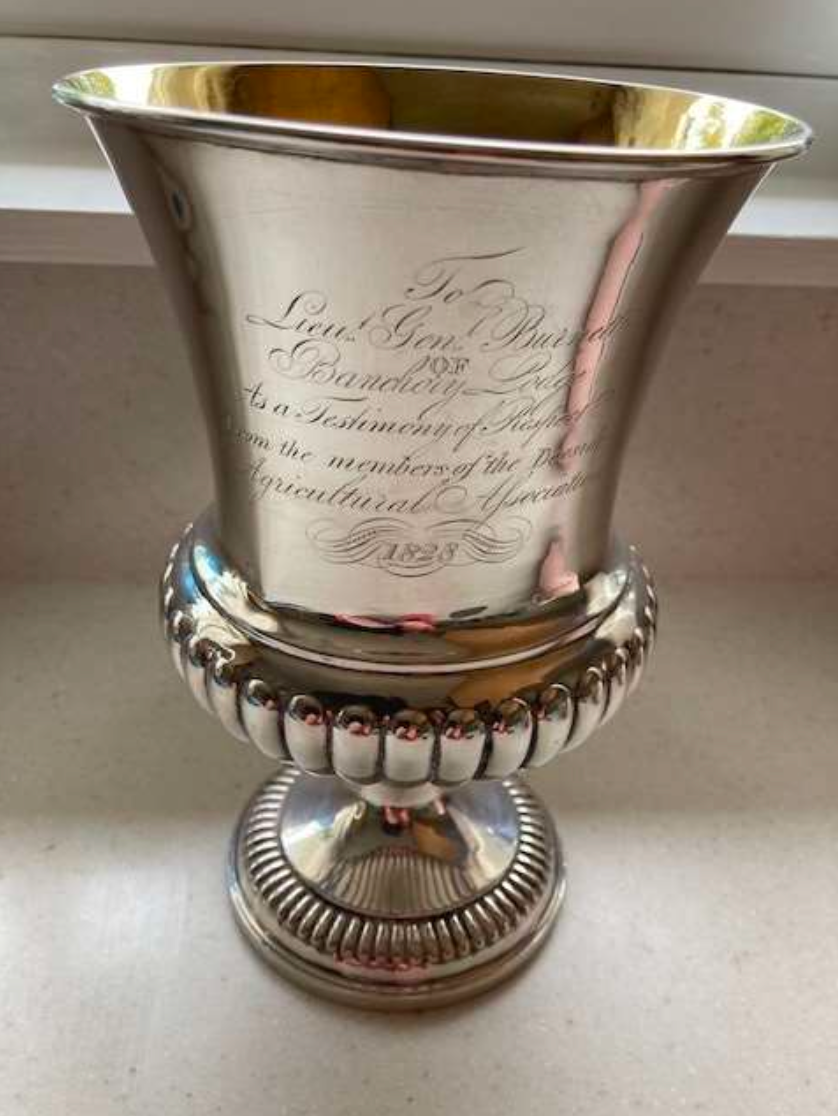
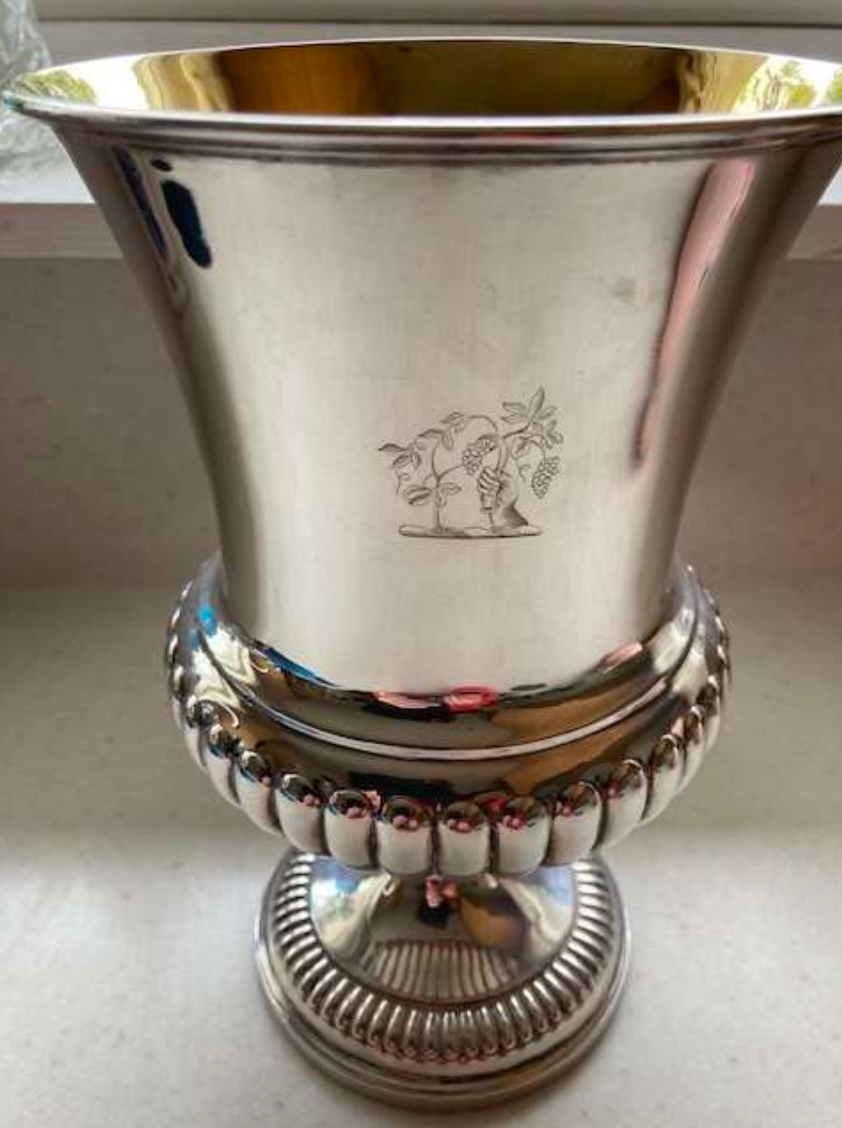
“ To Lieut General Burnett of Banchory Lodge as a testimony of respect from the members of Deeside Agricultural Association “
General Burnett’s Letters
Burnett is known to some extent for the letters he wrote during the Flanders campaign, particularly those sent to his brother Sir Robert Burnett, the 7th Baronet of Leys, which form interesting historical records.
These letters offer a view of military life at the time and include criticism of the tactics used, some of which has been supported by later assessments. His descriptions of training exercises near Bagshot, written in the early 1790s, reflect some of the same issues noted by military observers many years later.
The five letters are kept by Aberdeen University Collections.